When a replacement makes sense
Widespread wear, repeated leaks in different areas, or an aging roof with several failing details can make replacement worth considering. An isolated problem may still be a candidate for targeted roof repair. The recommendation should follow an inspection, with the scope and limitations explained before work begins.
Choose a material that belongs on the house
A traditional shingle-style home may call for natural cedar roofing; a clean-lined addition may suit standing seam metal. Architectural asphalt shingles offer another option for pitched roofs. Slate and synthetic slate deserve a conversation about appearance, loading and the roof assembly. We help you compare the implications rather than choosing from color alone.
Plan the roof as a complete assembly
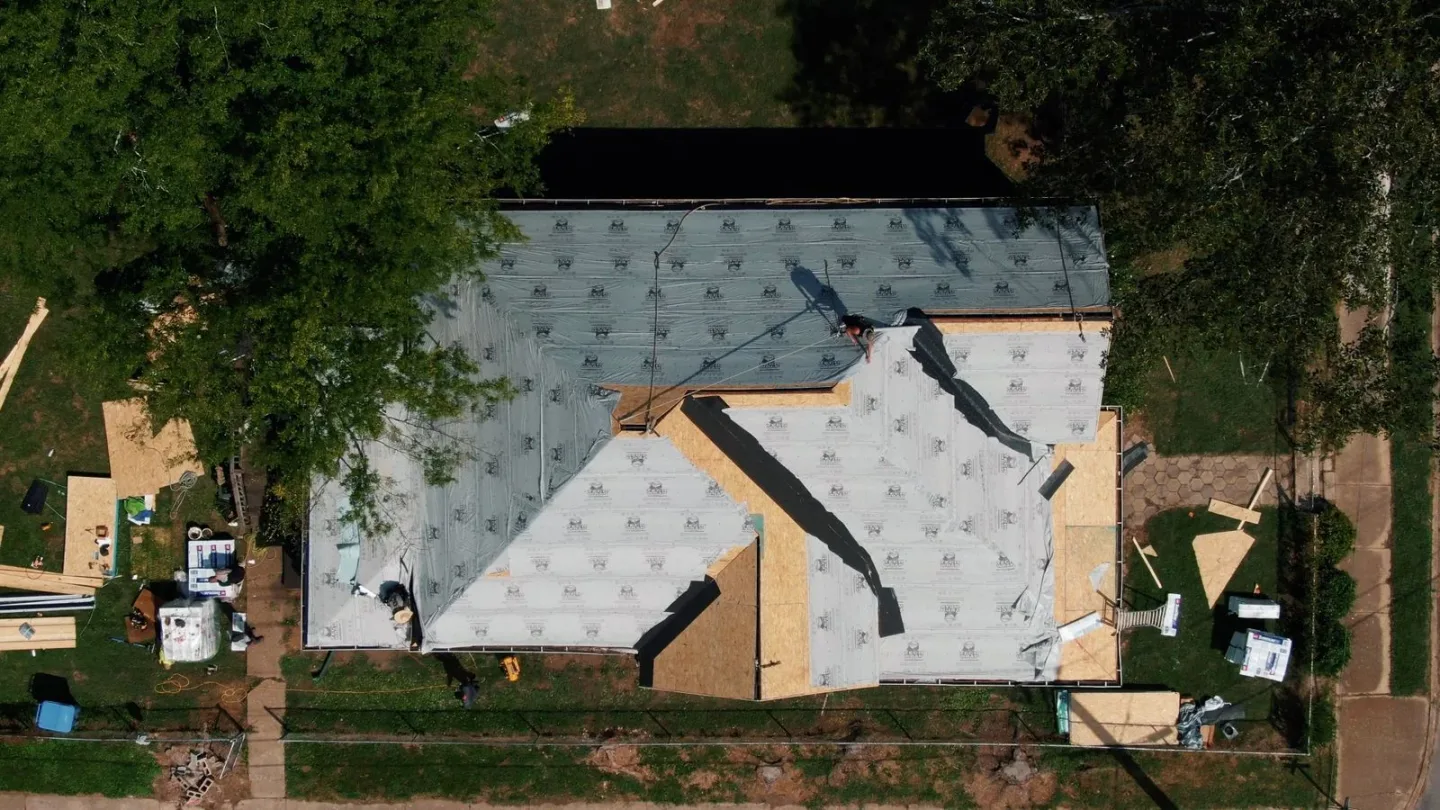
A replacement scope should address tear-off, decking conditions, underlayment, valleys, eaves and penetrations. Dormers and chimney flashing need particular care. We also consider ventilation and how water reaches the gutters and downspouts, so a new covering does not leave an existing drainage issue unresolved.
Prepare for the work
Before installation, discuss access, protection around the home, material staging and cleanup. Hidden deck damage may only become visible after removal; the approach to additional work should be clear. In Southampton and neighboring communities, the proposed material or appearance may also need local review before work is scheduled.